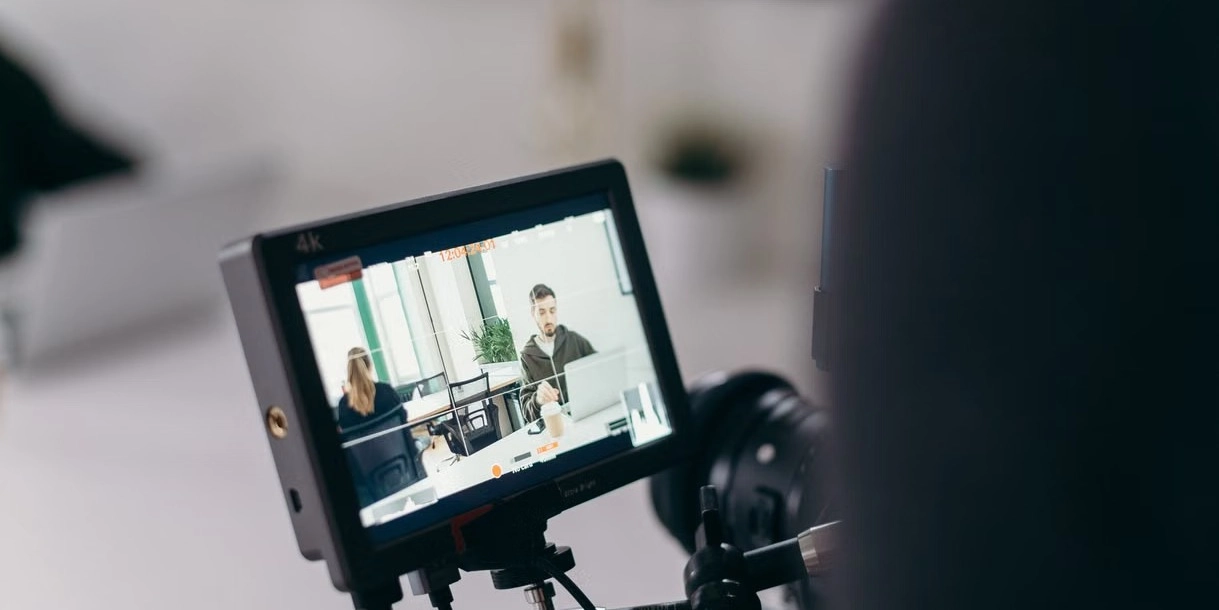
You've just paid for a slick corporate video Sydney production. The lighting was perfect, the subject smiled on cue, and your logo animation looked sharp. So why isn't anyone converting?
Here's the uncomfortable truth: most testimonial videos fail before the camera ever rolls. The problem isn't the crew, the equipment, or even the edit. It's the brief. Specifically, it's a brief that asks for polished praise instead of a real story with a real problem and a measurable result.
Buyers are smarter than marketers often give them credit for. They can spot a rehearsed endorsement from a mile away, and when they do, trust evaporates instantly. What actually moves people to act is something far simpler: a genuine customer describing a challenge they recognise in themselves, followed by a specific outcome they want for themselves.
In this post, we're going to walk through everything from why over-production quietly kills conversion, to how to structure a brief that pulls out the narrative your prospects actually need to hear. Get this right, and your testimonial videos stop being nice-to-haves and start doing serious commercial work.
Most testimonial videos don't fail because the camera was wrong or the lighting was flat. They fail because the brief asked for the wrong thing.
When a business briefs a testimonial as "a short video where our client says great things about us," the production team delivers exactly that: polished praise, professionally framed, and almost completely unconvincing. 92% of consumers trust peer recommendations over brand advertising, yet most testimonial briefs produce content that reads unmistakably as advertising. That gap is not a production problem. It is a brief problem.
The distinction between a genuine customer story and a corporate endorsement is made before a single frame is shot. It lives in whether the brief asks for structured storytelling or sanitised approval. Video testimonials convert three times better than written reviews when they are built around a real problem, a specific outcome, and an unscripted subject. Over-production erases that advantage by signalling "commercial" to a viewer's brain before the subject has said a word.
Sydney businesses commissioning corporate video production tend to default to briefs that feel controlled and safe. The instinct is understandable, but the result is content that sounds scripted, because it was. Understanding how corporate video production actually works in Sydney starts with recognising that the brief is where the outcome is decided, not the edit suite.
A shaky webcam recording from a customer's actual office often outperforms a studio shoot with three-point lighting and a professional backdrop. Imperfect lighting, a natural pause, a dog barking off-screen: these details tell the viewer's brain that what they are watching is real. Strip them out and replace them with crisp audio and a seamless backdrop, and you have created something that reads as an advertisement.
Mirror neurons are part of why this matters. When a viewer watches a genuine customer struggle to articulate a problem they actually had, something neurological happens: the viewer starts to feel that same situation. A peer-reviewed neuromarketing review published in Frontiers in Neuroergonomics confirms that emotional and neurological mechanisms are active during the consumer buying process, and authenticity signals are a core trigger. A visually perfect but emotionally flat video bypasses that response entirely.
Large crew, studio set, branded banner behind the subject: the brain recognises the format instantly and applies the same scepticism it reserves for a TV commercial. That scepticism is not a conscious decision. It just happens.
86% of businesses report that video testimonials directly increased sales, but that figure belongs to testimonials that feel like a real person talking, not a coached performance. The gap between those two things is why so many corporate videos fail to generate a return, and it almost always starts in the brief, when a client asks for something that "looks really professional."
Over-production is the symptom; a weak brief is the diagnosis. Three things separate a brief that produces converting content from one that produces expensive wallpaper.
A specific problem. Not "our customer wanted to grow their business" but the precise friction they lived with before finding you, in their own language. "We were losing two hours a day manually reconciling invoices" is a brief. "They were facing operational challenges" is noise. Viewers need to recognise something from their own week.
A named, quantified outcome. Vague praise has no conversion value. "It was great to work with them" tells a prospect nothing actionable. "We cut our onboarding time by half" gives a sceptical buyer something to weigh against their own situation. The brief's job is to identify what changed, and whether it can be measured, before the camera rolls.
An authentic subject. The person on camera must be credible to your target viewer, meaning their industry, company size, or challenge reflects the audience watching. A mid-sized Sydney manufacturer viewing a testimonial from a solo consultant will disengage, not because the content is wrong, but because the messenger doesn't match.
Share these three elements in writing before the shoot and a corporate videographer in Sydney can build interview questions designed to draw out the actual story rather than improvising on the day. Without them, the crew is guessing, and that guesswork shows in the edit. For a sense of what comes out of a shoot when the brief is structured from the start, the gap in output quality is significant.
Once you have those three brief elements locked in, the next question is how to sequence them on camera. Random answers produce a clip that feels like noise. A clear arc produces a clip that feels like a story, and stories are what prospects actually watch to the end.
The framework worth building your interview questions around is Before, Search, Experience, Result, Recommendation. Each stage maps directly to where a prospect sits in their own decision process.
Before is where viewer recognition happens. When your customer describes the frustration they had before finding you, the right viewer thinks "that's exactly my situation." Without this stage, the rest of the video has no emotional anchor.
Search is where differentiation gets established without you having to claim it yourself. A customer saying "we looked at a few options but this felt different because..." is worth ten times more than a brand making the same claim on its own website.
Experience handles the "but will this actually work for me?" hesitation that stalls most purchase decisions. What was it like to work with you day to day? This stage builds process credibility before the prospect has committed to anything.
Result is the conversion moment. A customer saying "it was great" changes nothing. A customer saying "we reduced the time we spent on X by roughly half" gives a prospect something to hold onto.
Recommendation closes the loop. Who would you refer this to, and why? That framing gives the viewer social permission to make contact, because someone they perceive as a peer already did.
Unscripted interviews built around this arc outperform word-for-word scripts for a specific reason. Natural language, with its pauses and imperfect phrasing, reads as genuine. The structure underneath is deliberate; the delivery is not. That gap is exactly what prospects are scanning for.
If you want to see how this structured interview approach sits within what we produce, the full corporate video range is worth a look before you start drafting your brief.
The arc gives you structure. Objection handling gives you ammunition.
The most underused technique in any testimonial brief is asking your customer to name the hesitation they had before signing on, then describe what actually happened. "I was worried it would take too long, but..." does more conversion work than almost any claim you could make yourself, because it comes from a peer's mouth, addressing a fear the prospect already has.
Before the shoot, pull up your last dozen lost deals or stalled conversations. What two or three objections kept coming up? Cost, time, disruption to operations, uncertainty about results? Those become prompts in your brief, not lines for the customer to read.
The brief entry looks like this: Ask them what they were most uncertain about before they started, and what actually happened. That single prompt extracts a natural, uncoached objection-handling moment. The customer reaches the answer themselves. It sounds nothing like a script because it isn't one.
A good production partner takes those prompts and translates them into open questions for the interview. The customer never sees the word "objection." They just answer honestly, and the edit does the rest.
If you want to see how this works as a brief input, the brief sent to 618 Media walks through the kind of information that shapes interview questions before the crew arrives. That pre-shoot clarity is what separates testimonial content that closes from content that earns a polite nod and gets scrolled past.
Once you have objection-handling prompts locked into the brief, the next question is: what else are we capturing while the camera is already rolling?
A single shoot day, properly planned, should yield more than one video. A 60-120 second hero cut is the anchor, but the same interview should also produce two or three 15-30 second social clips, at least one objection-handling segment for your sales email sequence, and a short soundbite for retargeting. Four distinct formats from one morning with one subject.
72% of marketers report ROI between 50% and 500% from video testimonials, and content multiplication is a significant part of why that return is achievable from a single production budget. The maths only works if the brief plans for it.
Most briefs don't. When asset planning gets left until post-production, the editor discovers the right soundbite was never captured, or a moment that would have worked for a LinkedIn clip ran too long because nobody flagged it at the interview stage. You cannot cut what wasn't shot.
For Sydney businesses running corporate video across LinkedIn, their website, and sales sequences, briefing for a content suite rather than a single video changes the commercial case for the shoot entirely. If you want to structure that kind of multipurpose production day, this guide on mapping out a content day is worth reading before you finalise the brief.
Video testimonials in email campaigns have been linked to 96% open rates and 65% click-through rates when the clip directly addresses the recipient's hesitations. That content only exists if the brief captured it at the source.
Ask your production partner before confirming the booking: "What formats will we be cutting from this interview?" If the answer is just one video, the brief needs revisiting.
All of that asset planning only holds its value if prospects actually trust what they watch. That trust dynamic has shifted considerably in the past two years.
AI-generated written reviews are now common enough that most buyers treat them with quiet scepticism. A human face on camera cannot be faked the same way. The person sitting in front of your lens is putting their name, their employer, and their professional credibility behind what they say. Text can be manufactured in seconds; that cannot.
The result is a two-speed market for social proof. The bar for written reviews has dropped because fabrication is trivial. The bar for video has risen because it is not. A single credible customer story on camera now does more commercial work than a full page of five-star text reviews, which matters directly for corporate videographers in Sydney working with SMEs who cannot afford to spread their content budget thin.
The conversion numbers reflect this. Video testimonials produce a 144% increase in conversion rates compared to text-only equivalents, and that gap is widening as written review credibility continues to erode.
Prospect behaviour has shifted accordingly. In 2026, a short testimonial clip is more likely to be watched before someone makes contact than a case study is to be read. Which means the brief, and whether it captures a real story or polished praise, is now the single most commercially significant decision in the whole production process.
So what does this actually look like when it's run properly?
At 618 Media, the brief conversation happens before anything else. That means identifying the customer subject, the specific problem they solved, and the outcome they can put a number to, so interview questions are built around that exact story before anyone picks up a camera. Nothing is improvised on the day.
The shoot runs with a tight two-person crew. A room full of crew, lights, and strangers puts most people on guard, and a guarded interview produces careful, polished answers that do nothing for conversion. A smaller, quieter setup produces the unguarded, specific answers that earn trust. You can read more about how 618 Media approaches production work Built for Direct Results.
Interview questions follow the Before, Search, Experience, Result, Recommendation arc, asked as a conversation rather than a structured quiz. The customer never feels like they're moving through a checklist, even though the story being captured is deliberate and complete.
The asset plan is locked in at the brief stage, not sorted out in post. The hero cut, the social clips, and any objection-handling segments are mapped before the shoot begins, so the interview is structured to capture everything needed rather than discovering gaps in the edit.
For Sydney businesses researching corporate video production costs, estimates for a testimonial shoot with full post-production and asset delivery are available via the 618 Media Video Project Calculator, or contact the team directly for a quote built around your brief.
The brief is the variable you control completely before money or time is committed. Get it right and the shoot captures something usable across every channel. Get it wrong and you spend a day filming polished nothing.
Three things belong in every converting brief: a specific problem the customer faced before working with you, a quantified outcome they can name, and a subject chosen because your target audience will see themselves in that person. Strip any one of these out and the video reverts to a corporate endorsement rather than a peer recommendation.
Structure the brief around the Before, Search, Experience, Result, Recommendation arc and send it to your production partner before the shoot date is locked, not the morning of. The arc gives the interview direction without giving the customer a script to read.
Add two or three objection-handling prompts. Identify the hesitations that most commonly stall your sales conversations and build questions around them. The moment a customer says "I was worried it would take too long, but..." on camera, your video is doing sales work that no brochure can replicate.
Plan the asset suite in the brief itself. One shoot day should deliver a website hero, a pair of social clips, and at least one segment for your sales email sequence. If you leave this to post-production, the footage you need almost certainly will not exist.
Before you confirm the booking, ask your production partner what interview questions they plan to use. A concrete, story-driven question list means they are briefed to capture a narrative. A vague answer means they are briefed for a sound bite.
If you want a practical checklist to carry into that conversation, The Final Step Before Booking Your Shoot walks through exactly what to confirm before the crew arrives.
A converting testimonial video is not a camera problem; it is a brief problem. Get the brief right and the production almost runs itself. Get it wrong and no amount of post-production polish will recover the footage you needed but never captured.
Four things determine whether your testimonial converts or merely impresses: a story-driven structure built around the customer journey, deliberate objection-handling moments baked into the interview questions, an asset plan confirmed before the shoot day, and a production partner who can demonstrate they understand narrative before the crew arrives.
Sydney businesses that treat the brief as an afterthought consistently leave conversion on the table. Those that treat it as the primary creative document walk away with video that does genuine sales work.
Start with the brief. Everything else follows from there.
Not sure what video you need? Use our free Video Project Calculator to get a tailored recommendation and rough estimate in under 2 minutes.
Use the CalculatorMost testimonial videos fail because of a weak brief, not because of production problems. The issue is that briefs often ask for polished praise instead of a genuine customer story with a real problem and measurable result. Buyers can spot rehearsed endorsements instantly, which destroys trust. Over-production actually kills conversion by signalling 'commercial advertisement' to the viewer's brain, whereas authentic, imperfect details (like natural pauses or background noise) make viewers feel the customer's struggle through mirror neurons, creating genuine emotional engagement that leads to conversion.
Every converting brief must include: (1) A specific problem - the precise friction the customer experienced before working with you, in their own language, not vague descriptions; (2) A named, quantified outcome - a measurable result like 'reduced time by 50%' rather than generic praise like 'great to work with'; and (3) An authentic subject - a customer whose industry, company size, or challenge reflects your target audience so viewers can see themselves in the messenger. These three elements ensure the video captures a real peer recommendation rather than just corporate endorsement.
Interview questions should follow the Before, Search, Experience, Result, Recommendation (BSERR) arc. 'Before' creates viewer recognition of the problem, 'Search' shows differentiation naturally without brand claims, 'Experience' builds credibility about working with you, 'Result' delivers the conversion moment with specific metrics, and 'Recommendation' closes by giving viewers social permission to take action. This structure should be built as a natural conversation rather than a strict script, allowing unscripted, natural language with its pauses and imperfect phrasing to emerge—which reads as genuine to prospects.
The most effective technique is to ask customers to name hesitations they had before signing on, then describe what actually happened. Instead of scripting lines, identify the 2-3 objections that commonly stall your sales conversations (cost, time, disruption, uncertainty about results), and create open-ended interview prompts around them. For example: 'What were you most uncertain about before you started, and what actually happened?' The customer reaches the answer themselves naturally, producing genuine objection-handling moments that sound nothing like a script because they aren't one.
A properly planned shoot should yield at least 4 distinct formats from one interview: a 60-120 second hero cut for your website, two or three 15-30 second social media clips, at least one objection-handling segment for your sales email sequence, and a short soundbite for retargeting campaigns. This asset multiplication is crucial because 72% of marketers report 50-500% ROI from video testimonials, but this requires planning the content suite at the brief stage. If asset planning is left until post-production, you risk discovering that needed soundbites were never captured during the interview.
618 Media is a video production company based in NSW, working with businesses, artists, and organisations across Sydney and NSW on music videos, brand stories, corporate video, event coverage, real estate, social media content, and more.
Every project starts with a conversation about what you want to achieve. We handle everything from concept through to final delivery.
Get in TouchFill in your details and a member of the 618 Media team will get back to you personally.
A team member reviews every message personally. No automated replies.
Message received. The 618 Media team will get back to you personally, usually within a few hours on business days.
