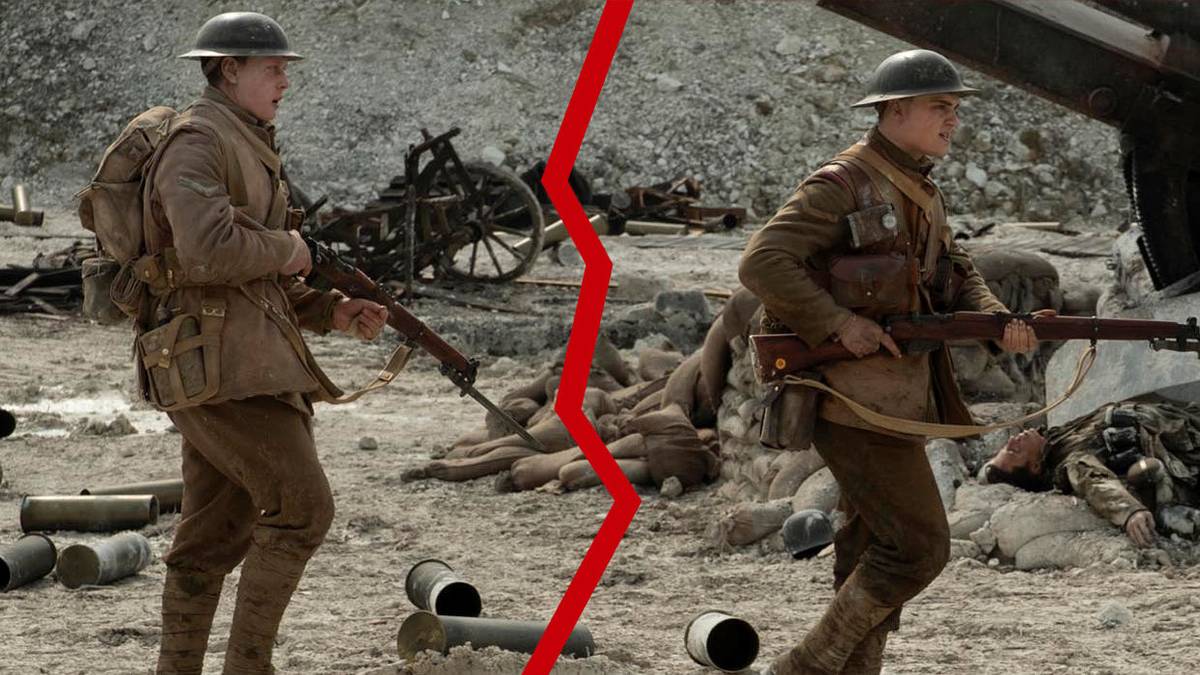
Most marketing managers believe that a fluid, one-take video is a product of advanced camera equipment or a gifted editor. The reality is far less glamorous. A single-shot look usually fails because the team tried to find the transition in the edit suite rather than engineering it on paper weeks before the first day of filming.
Planning is the most effective way to protect a production budget. Success starts with storyboarding hidden cuts for commercial video production to ensure the camera movements align perfectly. According to data from BluLux Media in 2026, effective pre-production storyboarding can reduce post-production revision costs by up to 45 percent. This happens because the storyboard acts as a blueprint, allowing the director and the client to see every transition before any money is spent on crew or talent. When you map out these movements early, you avoid the blown timelines caused by missing shots or mismatched angles. The storyboard is the only document that a director, cinematographer, and business owner all read the same way.
A hidden cut is a transition designed to appear as a single, continuous shot. Achieving this requires more than just a steady hand. Every element in the frame must be accounted for before the camera rolls.
If a subject moves from left to right in the first shot, the camera must maintain that exact vector in the second shot. When executing storyboarding hidden cuts for commercial video production, the director must account for the exact speed of the subjects. A slight variation in pace will break the illusion and make the edit feel like a series of slides rather than a fluid narrative. This choreography is often the difference between a professional result and one that feels disjointed.
Light intensity and color temperature must be identical at the point where two shots meet. If you are moving from an indoor office to an outdoor garden, the transition point usually needs a neutral zone, such as a dark doorway or a solid-colored wall. This provides the editor with a clean frame to hide the cut. Without this consideration, the sudden shift in shadows will alert the viewer that the shot has changed.
Using different lenses for two parts of a single continuous sequence will distort the perspective. If the first half is filmed on a 35mm lens, which provides a wide field of view, and the second half is filmed on an 85mm lens, which compresses the background, the transition will look physically impossible. Keeping the focal length consistent ensures that objects in the background do not suddenly jump in size. Professional results require keeping the technical settings locked across both sides of the transition.
When planning a whip pan transition, which uses fast camera movement to create motion blur, increase your shutter speed slightly beyond the standard settings. This reduces the amount of smear and allows the editor to find a sharper point of alignment between the two clips.
Pre-visualisation involves drawing the end of the first shot and the beginning of the second shot on the same page. This allows the crew to see the connection point. You can shoot a basic version of this on a smartphone during a site visit to test if the timing works. This process is particularly vital for a match cut, which is a transition that joins two shots with similar shapes or movements. If you want to transition from a circular coffee cup to a circular car wheel, the size of both objects in the frame must match perfectly. Final delivery relies on storyboarding hidden cuts for commercial video production so the editor has the necessary overlap to blend the frames together without a visible jump.
You might consider filming a video yourself or using simple, static cuts to save money. This is often the right choice for internal updates or quick social media clips. However, when the goal is brand storytelling or a promotional video, advanced techniques can increase viewer retention. Finding creative video production in Sydney for small business needs often involves balancing these high-concept ideas with realistic shoot days. You do not always need a massive crew to hide a cut. Simple techniques like a passing transition, where an object moves in front of the lens to mask the edit, require more time in planning than they do in equipment rental. Investing in the planning phase is always cheaper than trying to fix a broken transition during the edit.
The most important part of any video project is ensuring the final product actually says what your business does. A storyboard prevents the crew from getting distracted by technical tricks that do not serve the story. By defining every shot in advance, you ensure that the hero shot, which is the most critical moment for the brand or product, receives the most attention. This level of detail removes the guesswork from the shoot day and gives you confidence that the final video will meet your goals. If you have a clear vision of your next project, the next step is to document that sequence frame by frame to ensure the technical execution matches the creative intent.
| Transition Type | Planning Requirement | Complexity Level |
|---|---|---|
| Whip Pan | Matching camera speed and directional blur | Moderate |
| Object Mask | Timing a foreground object to block the lens | Low |
| Match Cut | Aligning shapes, colors, or sounds across shots | High |
| Luminance Fade | Matching exposure levels at the transition point | Moderate |
Not sure what video you need? Use our free Video Project Calculator to get a tailored recommendation and rough estimate in under 2 minutes.
Use the CalculatorWhile short social media clips might only need a basic shot list, any project involving complex transitions or a specific narrative requires a storyboard. It ensures that the director and the client are aligned on the visual style before the expensive filming phase begins. Storyboards also help identify technical problems, such as missing assets or lighting issues, while they are still easy to change on paper.
Planning an invisible cut involves identifying a common element between two shots, such as a specific movement, a shape, or a moment of darkness. The storyboard must detail the speed of the camera and the position of the subject to ensure they match perfectly. Often, a test shoot with a smartphone is used to verify that the two shots will blend together without a noticeable jump in the final edit.
A storyboard serves as the primary visual roadmap for the entire production crew. It defines camera angles, lens choices, and character movements, ensuring that everyone from the cinematographer to the set designer understands the goal of each shot. In commercial work, it is also the document used to gain client approval, ensuring there are no surprises regarding the visual direction after the footage is captured.
Small businesses can afford advanced techniques by prioritising planning over expensive equipment. Many fluid transitions, like the whip pan or the object mask, can be executed with a small crew if the movements are choreographed correctly in advance. By spending more time in the pre-production phase to map out these shots, businesses can achieve a high-end look without the need for the massive budgets usually associated with national television commercials.
The best way to plan a continuous shot is to create a detailed floor plan that shows every camera movement and subject position. This is often referred to as showing a section cut in a plan, which helps the crew understand where the camera needs to be at every second of the shot. This physical mapping allows the lighting and sound teams to stay out of the camera's path while the shot is in progress.
618 Media is a video production company based in NSW, working with businesses, artists, and organisations across Sydney and NSW on music videos, brand stories, corporate video, event coverage, real estate, social media content, and more.
Every project starts with a conversation about what you want to achieve. We handle everything from concept through to final delivery.
Get in TouchFill in your details and a member of the 618 Media team will get back to you personally.
A team member reviews every message personally. No automated replies.
Message received. The 618 Media team will get back to you personally, usually within a few hours on business days.
