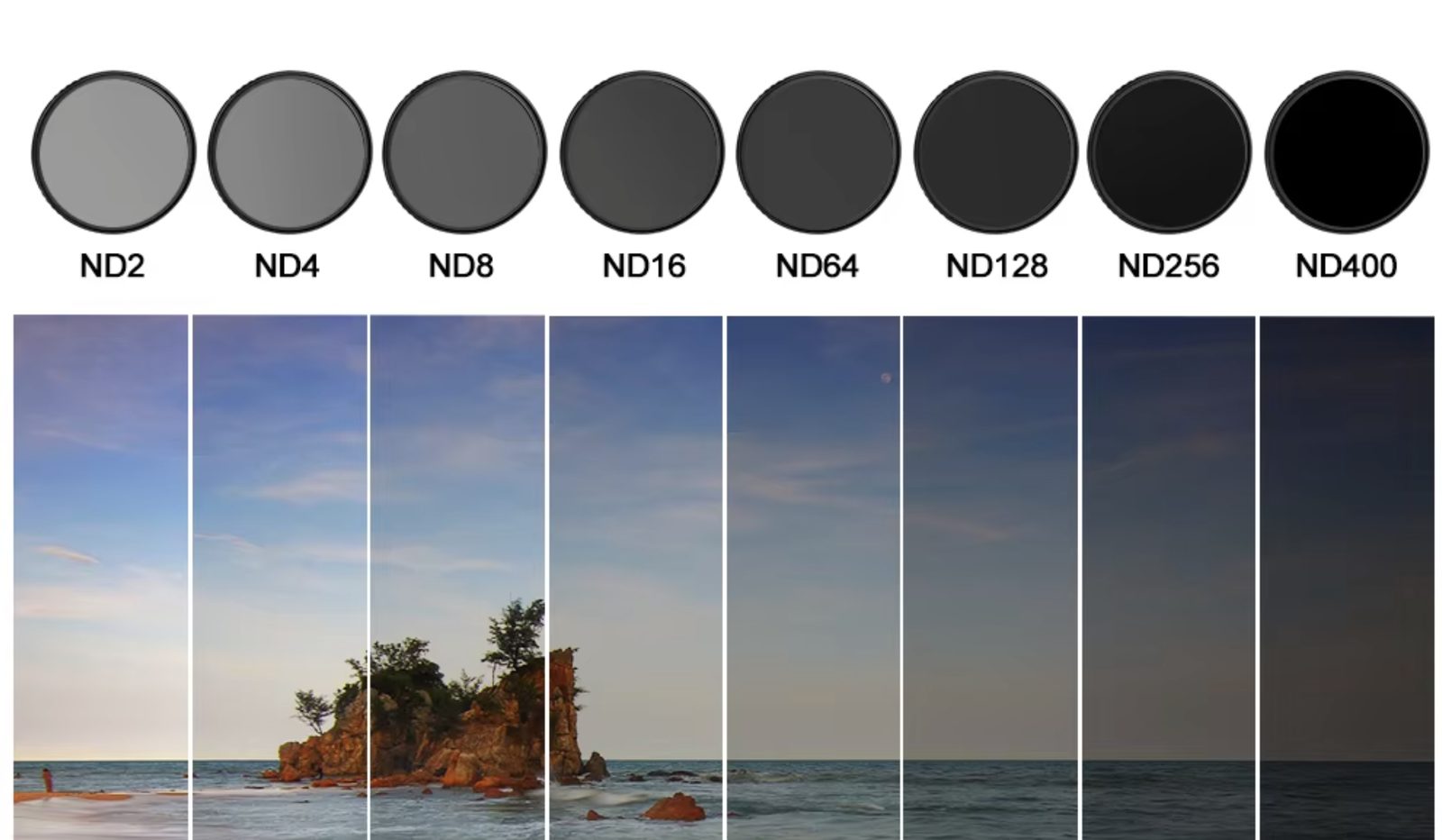
Maintaining the 180-degree shutter rule is essential for natural motion blur, especially under the bright sun found in Sydney and surrounding NSW. Neutral density filters act as sunglasses for the lens, allowing for wide apertures without overexposing the sensor in high-glare environments. Deciding between a variable nd vs fixed nd filter for filmmaking involves balancing the requirement for speed against the demand for absolute image fidelity.
In 2026, camera sensors have become more sensitive than ever, but the physics of light remain the same. To achieve a shallow depth of field in outdoor settings, light must be reduced before it hits the glass. The choice of filter impacts not just the exposure, but also the colour accuracy and sharpness of the final deliverable.
Variable ND (VND) filters consist of two layers of polarised glass. By rotating the outer element, the amount of light entering the lens is reduced. This is particularly useful in fast-paced environments like music video production in regional NSW where lighting conditions change rapidly and there is no time to swap glass between takes.
A common technical hurdle is the appearance of a dark cross-shape across the frame, often called the X-pattern. To avoid the X-pattern, the general fix is to avoid using the filter at its maximum density. Higher-quality glass in 2026 often includes hard stops to prevent the user from rotating into the danger zone. When working with ultra-wide lenses, the risk of this artifact increases, making fixed options a safer bet.
A frequent question from those upgrading their gear is whether a variable ND softens the image. Because a VND requires two layers of glass, there is a higher chance of internal reflections and slight softening of the image. For 4K and 8K workflows common in Sydney corporate video, using a premium VND is necessary to maintain the resolution of high-end sensors. Cheaper filters can lead to a noticeable drop in detail that is difficult to correct in post-production.
Fixed ND filters have a set density, measured in stops. They do not rotate and do not use cross-polarisation to achieve light reduction. This simplicity results in higher colour accuracy and better contrast. Professional videographers reach for a variable ND on run-and-gun work, but often pivot to fixed filters for brand stories where every shot must match perfectly.
Every piece of glass added to a lens introduces the risk of a colour shift, often leaning towards green or magenta. Fixed filters are generally more colour-neutral than their variable counterparts. For high-stakes projects, using a consistent brand of fixed glass ensures that the grading process is straightforward and consistent across different scenes.
Fixed filters allow for stacking. If a specific shoot requires an unusual amount of light reduction, two fixed filters can be combined. This provides more control over filter density without the polarisation issues inherent in variable designs. However, stacking too many filters can lead to vignetting, especially on wider focal lengths.
In documentary or event coverage where there are no second takes, a variable ND filter is often the superior choice. It allows the operator to adjust exposure mid-shot if the subject moves from shade into direct sunlight. Conversely, for scripted commercial work, the time taken to swap a fixed filter is a small price to pay for the incremental gain in image quality.
The choice of hardware often dictates the filter type. Sydney crews shooting on Sony mirrorless bodies often prefer lightweight VNDs to keep the gimbal balanced. For Canon or Nikon glass, the thread size must be considered. Using a large filter with step-up rings allows one high-quality filter to work across an entire lens kit.
Many clients wonder whether a variable ND is worth it for corporate video. The answer depends on the output. If the video is intended for social media, the convenience of a VND outweighs the minor loss in sharpness. For projects intended for broadcast or large-screen presentations, the technical superiority of fixed filters is usually required to meet quality standards.
When using a variable ND, always check the corners of your frame for vignetting or colour shifts before hitting record. What looks clear on a small monitor can often show signs of the X-pattern when viewed on a full-sized edit suite screen.
The debate between adjusting the ND filter or the shutter speed for exposure is a common point of confusion. Adjusting shutter speed to control exposure should be avoided, as it ruins the natural motion of the video. The filter is the correct tool for exposure control. Using it that way ensures the shutter stays at the optimal setting while giving the cinematographer control over the look of the scene.
Ultimately, the choice depends on the specific requirements of the shoot. A kit that includes both a high-quality VND for speed and a set of fixed filters for controlled environments is the standard for professional videography in NSW. This dual approach ensures that no matter the location or lighting challenge, the footage remains clean, sharp, and professional.
For those building a professional kit, the variable-versus-fixed decision often comes down to the number of crew members available. A solo operator benefits from the speed of a variable filter, while a full crew can manage the precision of fixed glass changes between setups.
| Feature | Variable ND Filter | Fixed ND Filter |
|---|---|---|
| Adjustment Speed | Instant (rotation) | Slow (requires swap) |
| Image Clarity | Moderate to High | Very High |
| Colour Accuracy | Potential for shifts | Highly accurate |
| Risk of Artifacts | High (X-pattern) | Zero |
| Physical Profile | Single thicker filter | Multiple thin filters |
Not sure what video you need? Use our free Video Project Calculator to get a tailored recommendation and rough estimate in under 2 minutes.
Use the CalculatorProfessional videographers often prefer fixed ND filters because they offer superior colour neutrality and sharpness compared to variable versions. Since they do not rely on cross-polarisation, there is no risk of the X-pattern artifact, making them more reliable for high-end commercial and brand storytelling projects where image consistency is paramount.
To stop the X-pattern, you should avoid rotating the variable ND filter to its maximum density setting, especially when using wide-angle lenses. Using a filter with built-in hard stops can prevent you from turning the glass too far. Investing in a high-quality, professional-grade variable ND will also significantly reduce the occurrence of this issue.
Yes, a variable ND filter is much better than changing shutter speed for exposure control. To maintain natural-looking motion blur, the shutter speed should generally be double the frame rate (the 180-degree rule). Changing the shutter speed to darken an image will result in 'staccato' or choppy motion, which looks unprofessional.
The best density depends on the lighting, but most professional kits start with an ND.6 (2 stops), ND.9 (3 stops), and ND.1.2 (4 stops). An ND.9 is often considered the most versatile for shooting in bright daylight with a wide aperture, providing enough light reduction to keep the exposure within the sensor's optimal range.
Variable ND filters can soften the image because they require light to pass through two layers of polarised glass rather than one. While high-end filters in 2026 have minimised this effect, cheaper or older variable ND filters can cause a noticeable loss of fine detail and contrast, particularly when shooting in 4K or 8K resolutions.
618 Media is a video production company based in NSW, working with businesses, artists, and organisations across Sydney and NSW on music videos, brand stories, corporate video, event coverage, real estate, social media content, and more.
Every project starts with a conversation about what you want to achieve. We handle everything from concept through to final delivery.
Get in TouchFill in your details and a member of the 618 Media team will get back to you personally.
A team member reviews every message personally. No automated replies.
Message received. The 618 Media team will get back to you personally, usually within a few hours on business days.
