Music Video Formats: Performance vs. Narrative vs. Conceptual
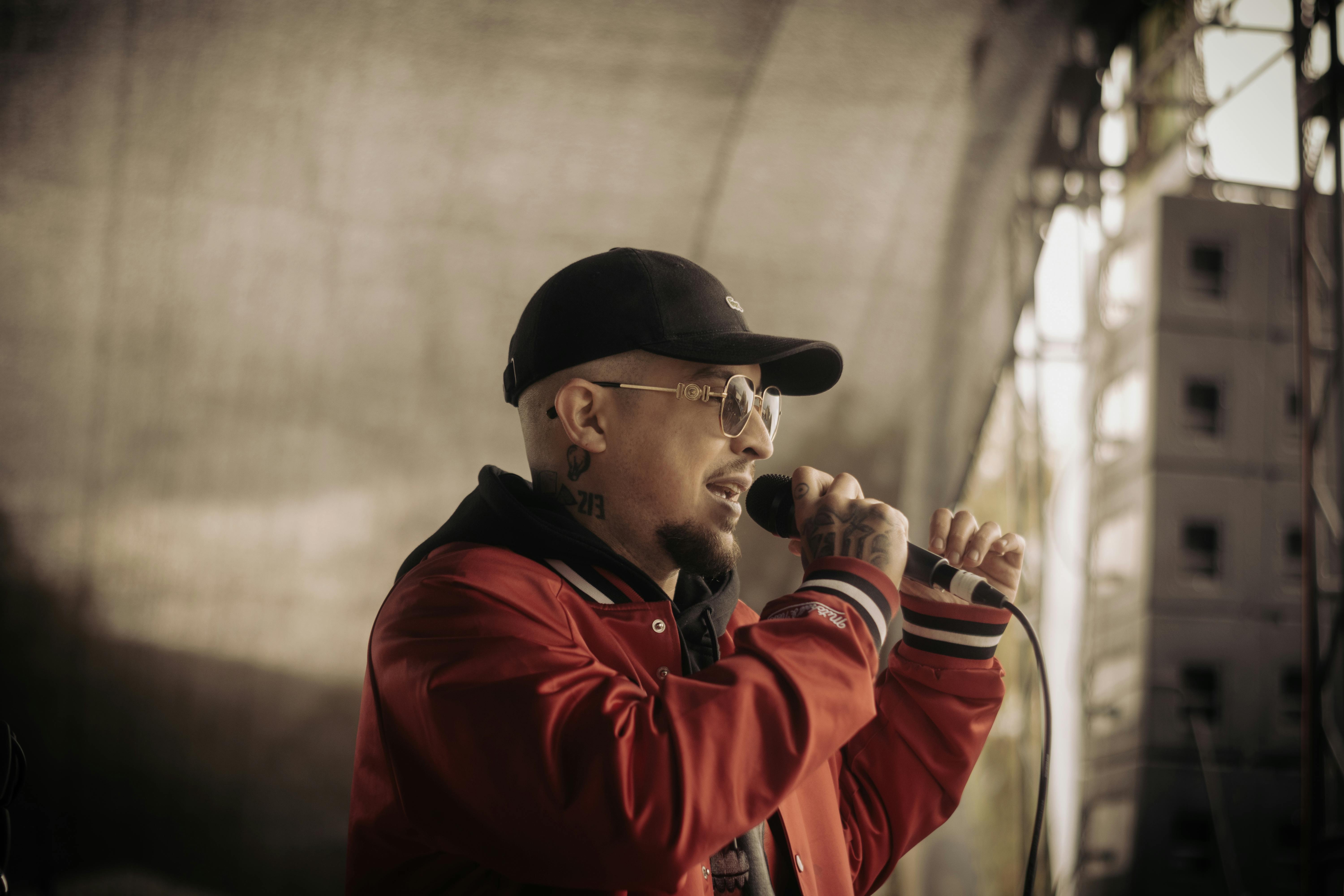
Not every song needs a storyline. Not every artist needs to act. The type of music video that works best depends on your song's energy, your comfort on camera, your budget, and — most importantly — what you are actually trying to say.
There are three main formats, and most successful videos borrow from at least two of them. Understanding what each one does — and when it works — is the most useful creative decision you will make before production begins.
Performance Videos
A performance video is exactly what it sounds like: the artist performing the song. It can be in a rehearsal space, on a rooftop, in a studio, on a beach, or anywhere with strong visual character. The performance is the content, and the energy of the performance carries the entire video.
Performance videos work because they are direct. There is no story to track, no characters to follow. The viewer watches you perform and either connects with the energy or does not. For artists who are magnetic on camera, this is often the strongest format available — it is also the one that translates most naturally to live performance content and social media clips.
They are also the most budget-friendly route to something that looks genuinely professional. One great location, good lighting, an edit that understands the track's rhythm — that combination can produce a video that outlasts much more expensive productions. The risk is that if the concept is weak or the location generic, there is nothing else carrying the video.
Narrative Videos
A narrative video tells a story. The visuals follow a plot — characters, scenes, a beginning, middle, and end. The song plays over or alongside the story rather than being performed directly to camera. At their best, narrative videos add a dimension to a track that listening alone cannot provide. They are the ones people re-watch, share, and remember.
They require significantly more planning than performance videos. You need a script or a detailed scene breakdown, locations that serve the story, possibly cast members, and a director who can manage all of it while keeping the shoot on schedule. Pre-production for a narrative video typically takes one to two weeks, and the editing is more complex because you are cutting between scenes and building emotional momentum, not just matching cuts to a beat.
The budget reflects this — narrative videos almost always cost more than performance videos of equivalent quality. But they also generate more organic sharing and press attention when the concept resonates, and the storytelling depth gives them a longer shelf life as marketing material for the artist.
Conceptual and Abstract Videos
Conceptual videos are driven by mood, imagery, and visual language rather than story or performance. They might feature the artist, or they might not. The visuals interpret the song rather than illustrate it. This format works particularly well for atmospheric, electronic, or experimental music where a literal story would feel reductive.
Done well, conceptual videos can be genuinely striking — the kind of thing viewers return to because there is always something new to notice. Done poorly, they feel like filler. The key is that the concept has to be clear before production starts. Strong visual language, a defined colour palette, and a consistent camera approach all need to be locked in during pre-production. Arriving at the shoot and hoping inspiration will emerge is not a concept — it is a risk.
3 Factors That Can Affect Your Format Choice
1. Your Comfort on Camera
Honest self-assessment here saves a lot of trouble later. If you are nervous or stiff in front of a lens, a performance video will show it. A narrative video with actors, a conceptual video without you in it, or a visualiser are all strong alternatives that play to a different set of strengths.
2. Your Budget Reality
Narrative videos generally cost 30 to 60 percent more than performance videos of equivalent quality. If your budget is tight, a well-executed performance video with a strong location and good lighting will outperform an under-resourced narrative attempt every time.
3. Your Release Platform
A YouTube-first release benefits from a full-length video that rewards watching through to the end. An Instagram-first release needs a strong first three seconds and content that works at 30 to 60 seconds. Format and platform decisions should be aligned in pre-production so the editor knows how to cut for the primary audience.
Which Format Suits Your Song?
A few questions worth working through: Is the song primarily about energy and performance, or do the lyrics tell a specific story? Are you comfortable performing to camera, or would you prefer to direct attention elsewhere? Do you have a concrete visual concept, or are you open to creative direction? What is your realistic budget?
The most practical starting point is to pick two or three existing music videos in your genre that you genuinely love and bring them to your first conversation with a videographer. That reference point tells a production team more about your taste and instincts than most creative briefs written from scratch.
The cleanest brief you can give a videographer is a format decision plus two or three reference videos. 'Something like this but grittier' is a far more useful starting point than 'I want it to feel cinematic.'
| Format | Best For | Budget Range (estimate) | Shoot Days |
|---|---|---|---|
| Performance | Artists strong on camera, high-energy songs | $1,000 – $4,500 | 1 |
| Narrative | Story-driven lyrics, actors comfortable on camera | $4,000 – $12,000 | 1–2 |
| Conceptual | Atmospheric or experimental music, strong visual concepts | $3,000 – $10,000 | 1–2 |
| Hybrid (performance + concept) | Most independent artists | $2,000 – $6,000 | 1 |
All ranges are estimates. Use the Video Project Calculator or contact 618 Media for a quote based on your specific concept and requirements.
Not sure what video you need? Use our free Video Project Calculator to get a tailored recommendation and rough estimate in under 2 minutes.
Use the CalculatorFrequently Asked Questions
Performance videos are the most common format, particularly for independent artists. They are cost-effective, direct, and work well across all platforms.
Generally yes. Narrative videos require more pre-production, often involve cast members, and take longer to edit. The budget is typically 30 to 60 percent higher than a comparable performance video.
Yes, and most professional music videos do. A common approach is cutting between narrative scenes and performance sequences throughout the track.
No. Many conceptual videos do not feature the artist at all, or feature them in a non-performance context. The decision depends on what serves the concept and the song.
A narrative video with actors, a conceptual video, or a visualiser are all strong alternatives. Being uncomfortable on camera shows on screen and works against the video's purpose.
618 Media is a video production company based in NSW, working with businesses, artists, and organisations across Sydney and NSW on music videos, brand stories, corporate video, event coverage, real estate, social media content, and more.
Every project starts with a conversation about what you want to achieve. We handle everything from concept through to final delivery.
Get in TouchStart Your Project or Ask a Question
Fill in your details and a member of the 618 Media team will get back to you personally.
A team member reviews every message personally. No automated replies.
Message received. The 618 Media team will get back to you personally, usually within a few hours on business days.