On-Camera Interview Tips: How to Help Your Team Look Natural
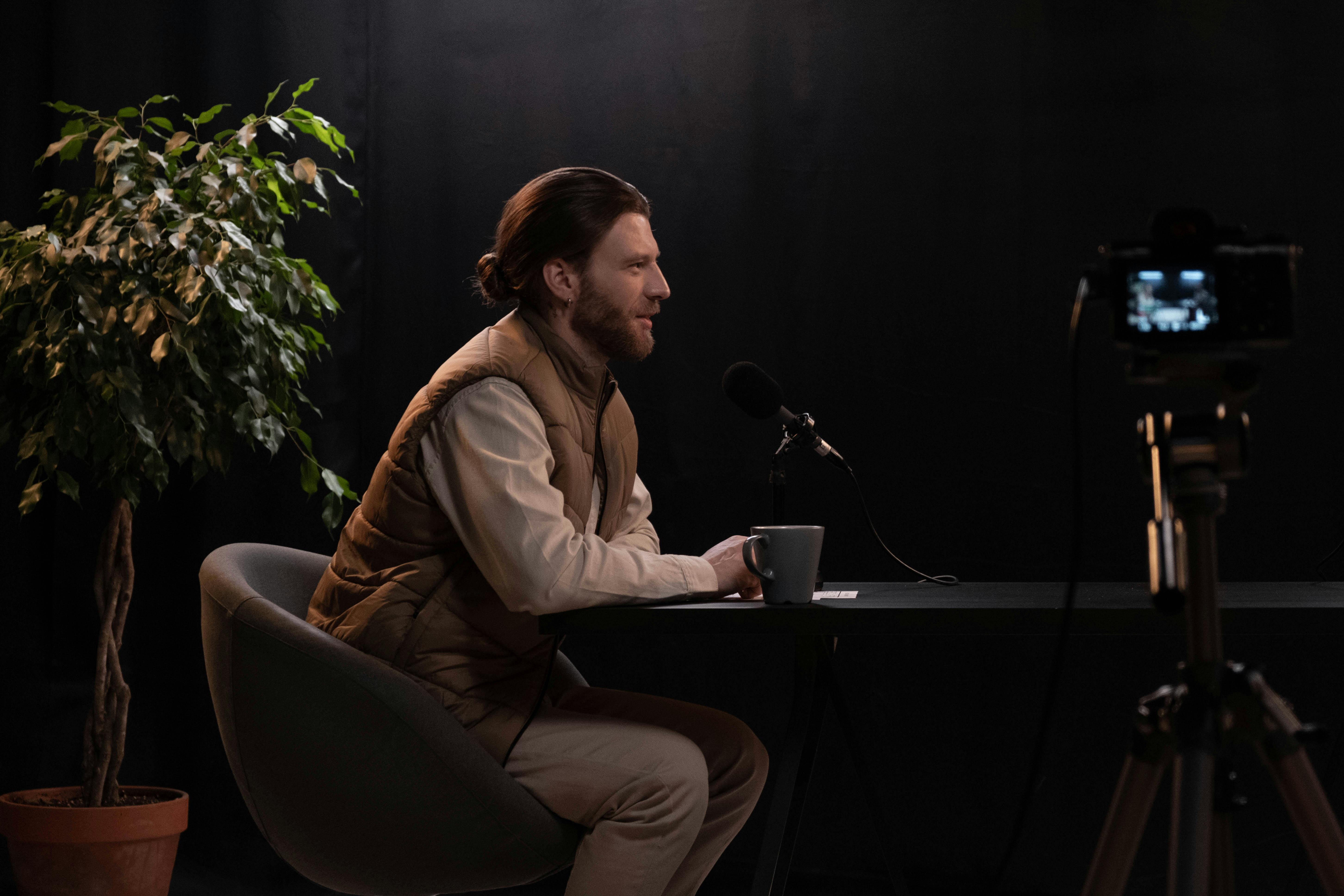
Most people are not comfortable on camera. That is not a character flaw — it is a starting point. The difference between a stiff, over-rehearsed interview and a natural, credible one is almost entirely in the preparation and how the shoot is managed, not in the innate talent of the person being filmed. The interviews that look best on screen are the ones that feel least like interviews to the person giving them.
Before the Shoot Day
Give the interview subjects the questions in advance, not the answers. The worst on-camera interviews happen when people try to memorise scripted responses — what comes out is visibly rehearsed, with flat pacing and language that does not match how the person actually speaks. Providing the questions in advance so they can think about what they genuinely believe, without scripting word-for-word answers, consistently produces more natural and credible responses.
Discuss wardrobe before the day. Solid colours film cleanly. Fine stripes, herringbone, and detailed patterns create visual distortion called moiré effect on camera. Avoid wearing the same colour as the background — it causes the subject to blend into the set. Bring two outfit options and make the final call on the day based on the set.
If the interview subject has not been on camera before, suggest they do a short test recording on their phone the evening before — just answering one of the questions to get a feel for how they come across. Watching yourself once before the real interview removes a significant amount of the self-consciousness that makes early takes stiff.
On the Shoot Day
Build warm-up time into the schedule before the camera rolls. The first five minutes of any interview are almost always the worst — the subject is monitoring how they are coming across and thinking about the camera rather than the question. A good interviewer will spend time in conversation before formally beginning, and often captures the best material in that warm-up window. Rushing straight into the interview produces the stiffest results.
Unless the brief specifically calls for direct-to-camera delivery, the subject should look at the person asking the questions, not the camera. Looking at the interviewer produces more natural eye movement and facial expressions and feels more like a conversation than a presentation. The camera captures that naturalness.
What Makes an Interview Credible on Screen
The things that make an interview feel credible are almost entirely in the subtext. Does the person pause naturally, the way people do when they are genuinely thinking? Do their eyes engage with the person they are speaking to rather than tracking to the camera or glazing over? Is the language the same as how they would actually talk, or is it more formal and careful? Do they show genuine animation about the things they care about?
A technically perfect interview that feels dead on screen is harder to work with than an imperfect one that feels alive. Editors can cut around stumbles. They cannot add life to footage that does not have any.
3 Factors That Commonly Affect Interview Quality
1. Time Pressure
Rushing an interview because the executive has a hard stop in 20 minutes produces exactly the kind of stiff, careful performance that makes corporate video unwatchable. Schedule buffer time before and after each interview subject. The buffer before is for warm-up. The buffer after is for re-takes of any answers the subject is not happy with.
2. The Specific Questions
Questions that invite a yes or no answer or a fact-recitation do not produce good interview footage. Questions that invite a story — "Tell me about a time when..." or "What surprised you most about..." — consistently produce better material than "What does your company do?"
3. Multiple Takes
Re-takes are standard practice. Most interview subjects want to re-answer one or two questions after they hear themselves the first time. Building this expectation into the brief ensures it does not feel like a problem when it happens — it is just part of the process.
Have the interview subject answer one of the questions on their phone camera the evening before the shoot. Watching yourself once before the real interview removes a significant amount of the self-consciousness that makes interviews stiff. Most people are surprised by how natural they look.
Not sure what video you need? Use our free Video Project Calculator to get a tailored recommendation and rough estimate in under 2 minutes.
Use the CalculatorFrequently Asked Questions
Give them the questions in advance so they can think rather than memorise. Warm up with conversation before rolling. Encourage them to use their normal language. Give them enough time — rushed shoots produce nervous results.
For most corporate interview styles, looking off-camera at the interviewer produces more natural, conversational footage. Direct-to-camera is used for specific formats like direct-address opinion pieces.
Solid colours, nothing with fine patterns or narrow stripes. Avoid wearing the same colour as the background. Bring two outfit options to the shoot.
Allow 30 to 60 minutes per interview subject, including setup, warm-up, and two or three passes on key questions. For executives with limited time, 20 to 30 minutes can work with tightly scoped questions.
Yes. Re-takes are standard practice. Build this expectation into the brief so it does not feel like a problem.
618 Media is a video production company based in NSW, working with businesses, artists, and organisations across Sydney and NSW on music videos, brand stories, corporate video, event coverage, real estate, social media content, and more.
Every project starts with a conversation about what you want to achieve. We handle everything from concept through to final delivery.
Get in TouchStart Your Project or Ask a Question
Fill in your details and a member of the 618 Media team will get back to you personally.
A team member reviews every message personally. No automated replies.
Message received. The 618 Media team will get back to you personally, usually within a few hours on business days.